Europe
Leftist Coalition Wins France's Legislative Elections Following Riots
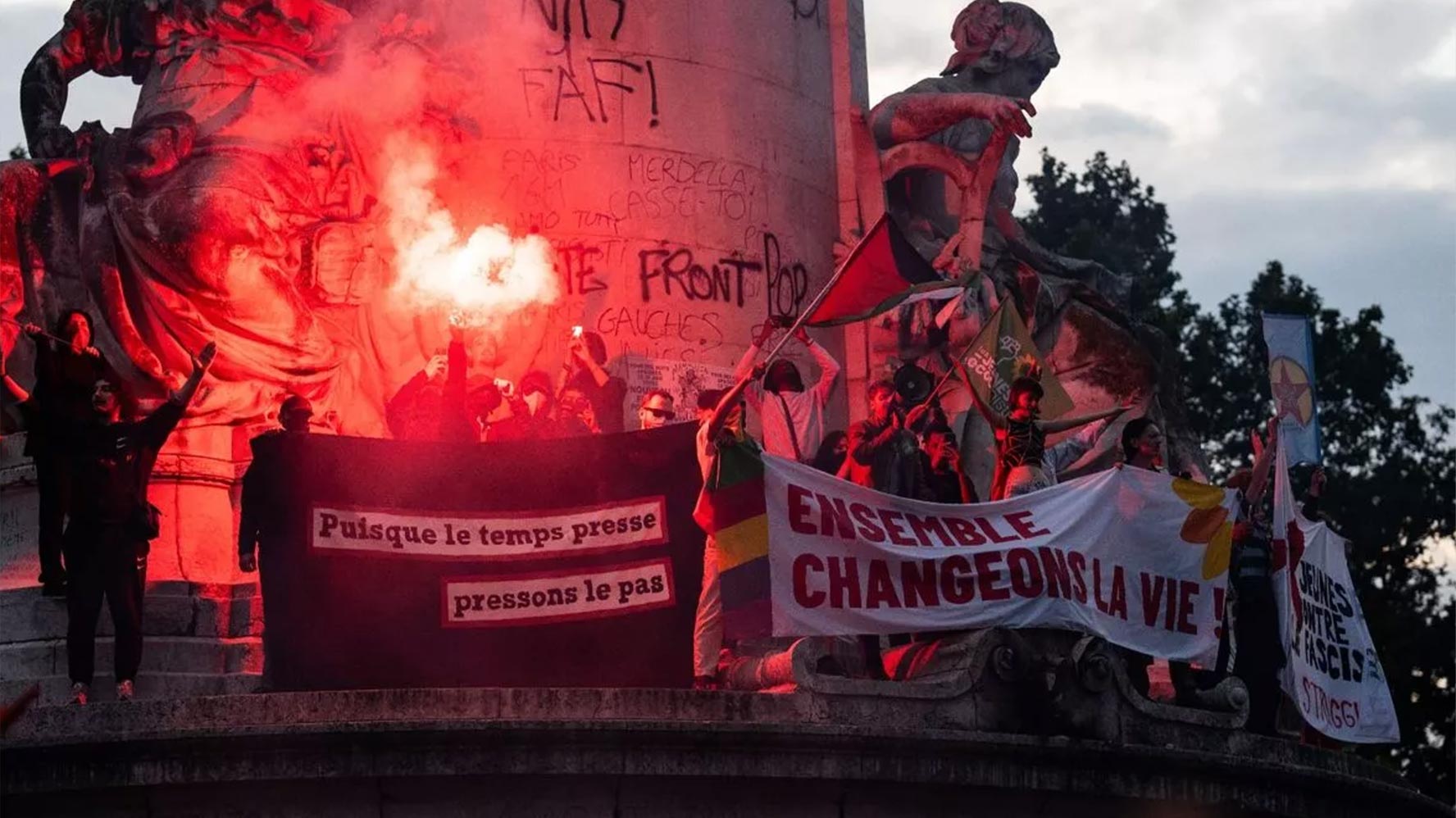 Credit: Reuters - France Election Riots
Following President Emmanuel Macron's decision to hold a snap election, unexpected results emerged on July 7th. The right-wing National Rally (RN), led by Marine Le Pen, made significant gains although they were ultimately defeated by the left-wing New Popular Front (NFP) coalition.
Despite the RN leading the first round and nearing historic power gains, strategic withdrawls by over 200 left-wing and centrist candidates prevented vote splitting, allowing the NFP to secure the most seats. However, the NFP did not reach the 289 seat majority, resulting in a hung parliament.
 Credit: BBC - National Assembly Seat Breakdown
A month ago, the NFP didn't exist. Now, as the largest parliamentary block, its coalition includes diverse parties with high potential for internal conflict. Although the RN finished in third, they have experienced substantial growth, expanding from only 8 seats in 2017 to 125 in this election, making them a formidable force.
 Credit: New Statesman - Emmanuel Macron
Macron's decision to hold a snap election puzzled analysts and led to his party losing about 100 seats, compared to 2022. Now, he must appoint a new Prime Minister, who is traditionally chosen from the largest block. It's unclear which NFP faction within the patchwork coalition will be chosen to lead. Gridlock is likely.
Although the left-wing currently holds the most seats, the RN's significant gains and growing support suggests that they may achieve majority in the near future.